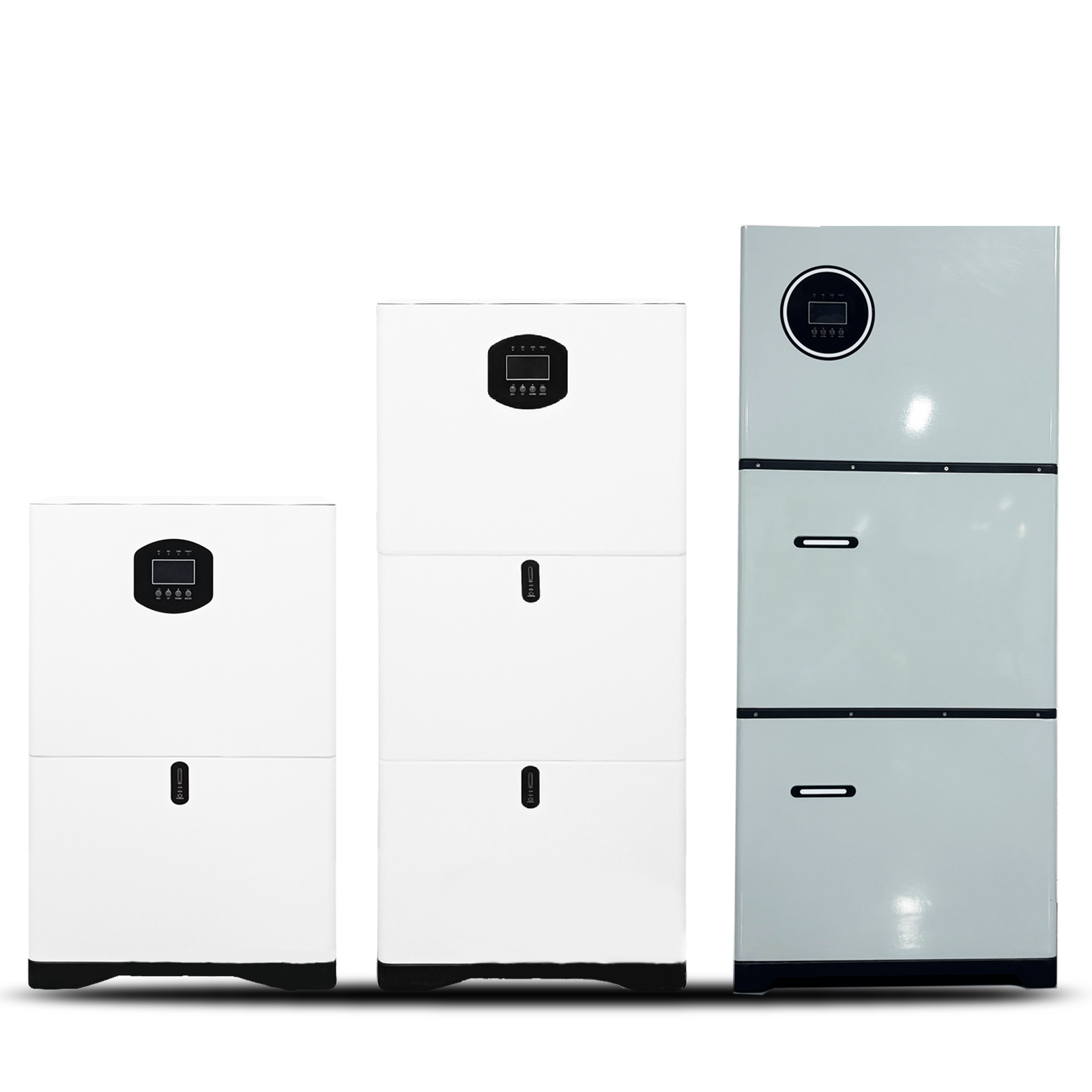
Portable Energy Storage for On-the-Go Power
High-capacity portable energy storage supplies power instantly for camping, road trips and field work, eliminating outdoor power shortage troubles with fast charging and long service life.
In today’s fast-paced and mobile world, access to reliable electricity is more important than ever. Whether for outdoor adventures, emergency backup, or remote work scenarios, portable energy storage systems have become an essential solution for providing stable and convenient power anytime, anywhere.
What Is Portable Energy Storage?
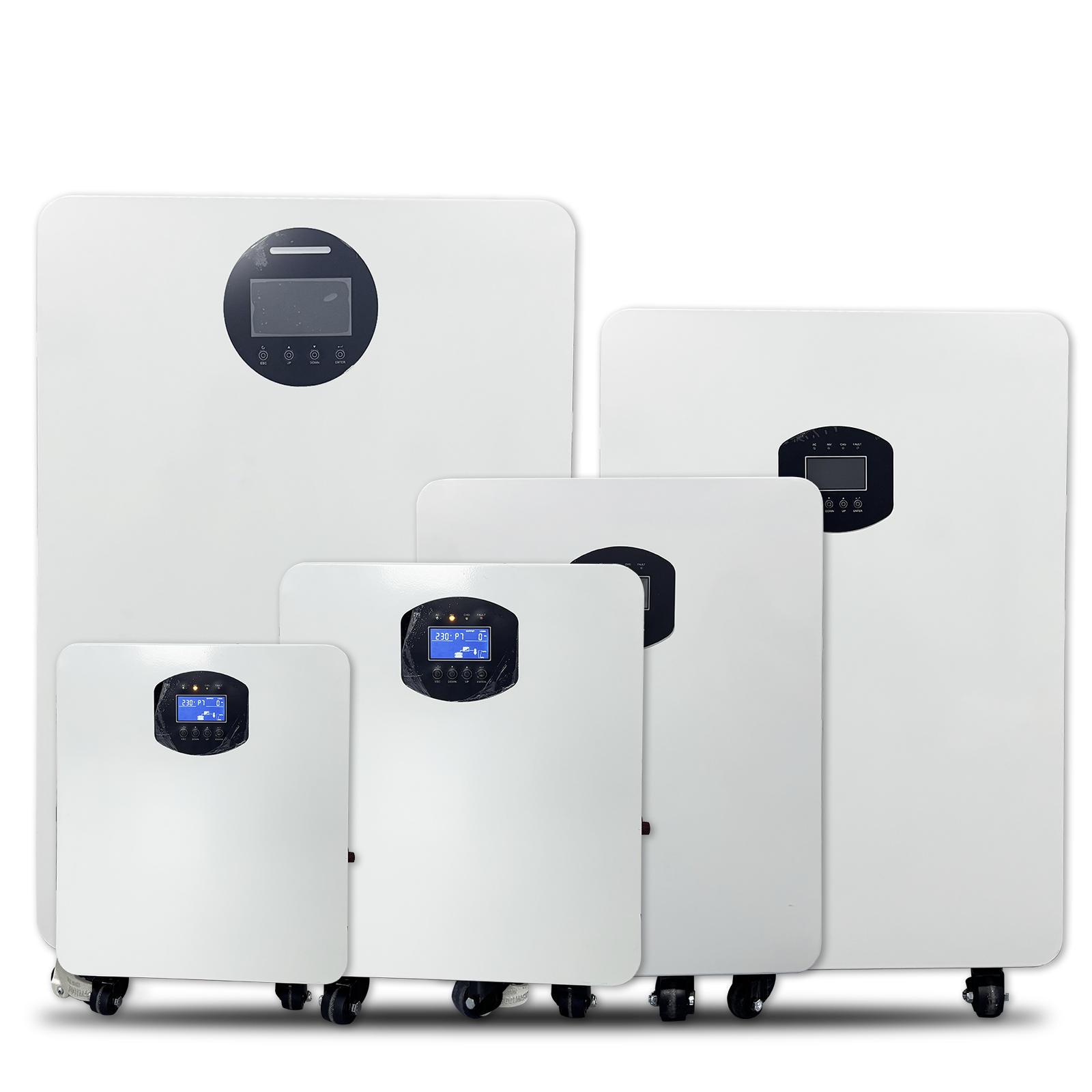
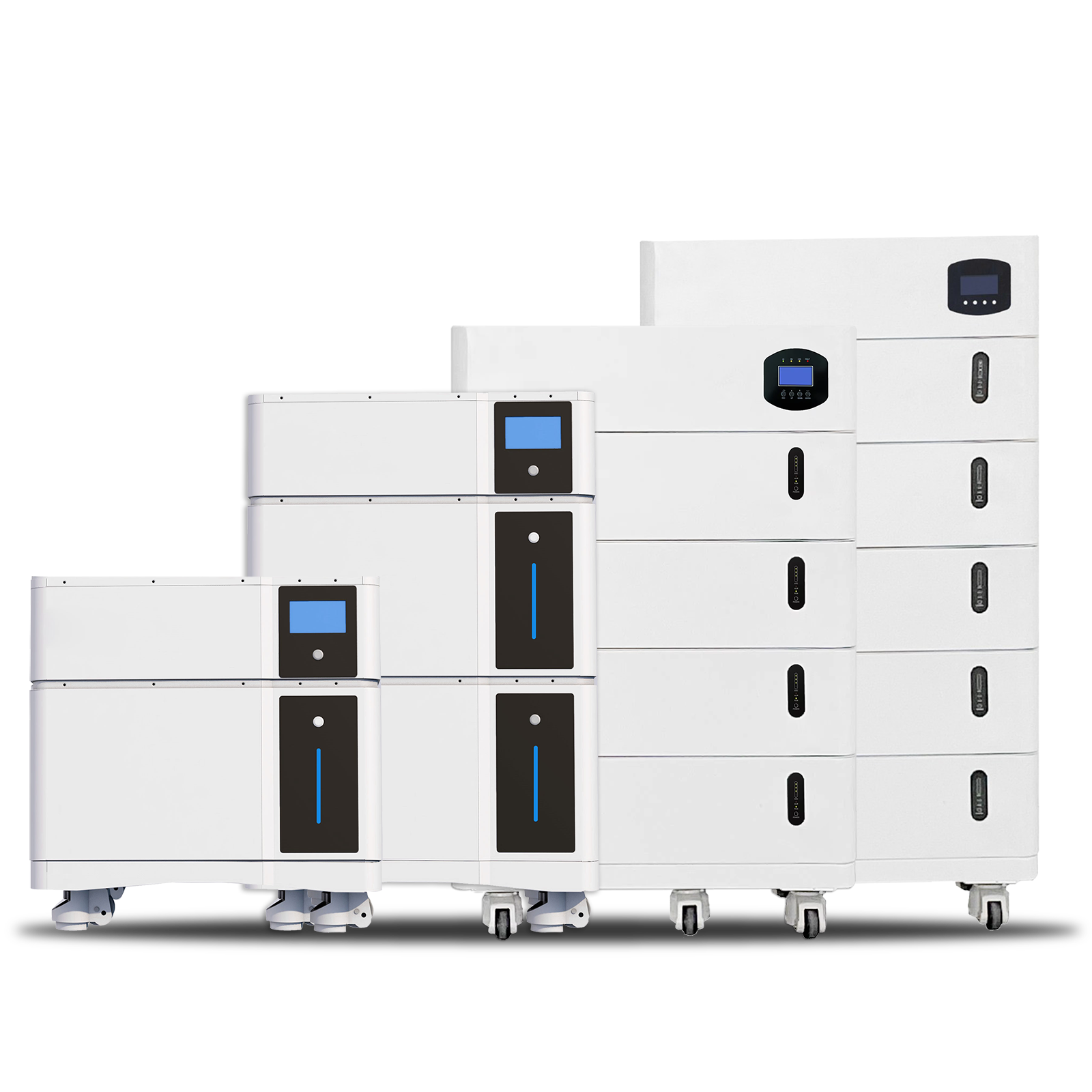
Portable energy storage refers to compact, rechargeable power systems that store electricity and deliver it on demand. These systems typically integrate lithium battery technology, power inverters, and multiple output interfaces such as AC outlets, USB ports, and DC outputs. Designed for mobility, they provide a flexible energy source for a wide range of applications.
Unlike traditional generators, portable energy storage systems operate quietly, require no fuel, and produce zero emissions, making them an eco-friendly alternative for modern power needs.
Key Advantages of Portable Energy Storage
One of the biggest advantages of portable energy storage is its convenience. Users can easily carry and deploy the system wherever power is needed. From camping trips and road travel to outdoor events and fieldwork, it ensures uninterrupted electricity supply for essential devices such as phones, laptops, cameras, lights, and even small appliances.
Another major benefit is safety. Equipped with advanced Battery Management Systems (BMS), these units provide protection against overcharging, overheating, short circuits, and over-discharging. This ensures stable performance and long-term reliability.
Additionally, most portable systems are designed with fast charging capabilities, allowing users to recharge the unit through wall outlets, solar panels, or even car chargers, making them highly versatile.
Solar Compatibility for Sustainable Power
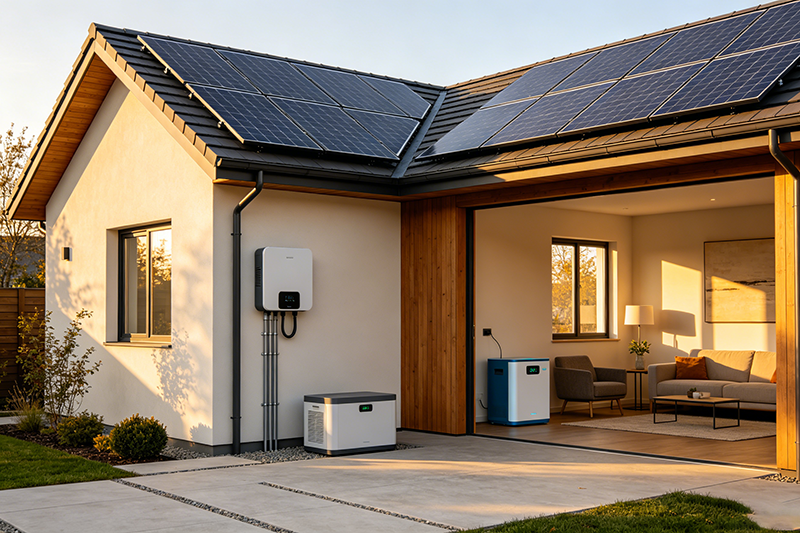
Many modern portable energy storage systems are compatible with solar panels, enabling users to recharge their devices using clean, renewable energy. This combination is especially useful for outdoor and off-grid environments where traditional power sources are unavailable.
Solar integration not only reduces dependency on the grid but also supports sustainable energy usage, helping to lower carbon footprints while maintaining energy independence.
Smart and User-Friendly Design
Portable energy storage units are designed with user convenience in mind. Smart LCD displays provide real-time information such as battery level, input/output power, and remaining runtime. Multiple output ports allow users to power several devices simultaneously.
Some advanced models also include app-based monitoring and control, enabling users to track energy usage and optimize performance remotely.
Wide Range of Applications
Portable energy storage systems are widely used in various scenarios, including:
- Outdoor camping and travel
- Emergency home backup power
- Construction and fieldwork sites
- Mobile business operations
- Photography and drone charging
- Disaster relief and rescue operations
Their versatility makes them an indispensable tool for both personal and professional use.
Reliable Backup in Emergencies
Power outages can occur unexpectedly due to weather events, grid failures, or natural disasters. Portable energy storage provides a reliable backup solution to keep essential devices running, such as communication tools, medical equipment, and lighting systems. This ensures safety and continuity during critical situations.
Conclusion
Portable energy storage represents a modern, efficient, and eco-friendly approach to mobile power supply. With advancements in lithium battery technology, smart management systems, and solar compatibility, these systems deliver reliable energy wherever it is needed. As demand for flexible and sustainable power continues to grow, portable energy storage will play an increasingly important role in everyday life and emergency preparedness.